
Many hospitals today could be considered high risk for financial default. According to a 2024 study, “Hospitals in many European countries are continuously facing financial deficits and/or insolvency problems.” Also in 2024, Victorian public hospitals in Australia operated with major deficits of $1+ billion. The world will also see a nurse shortage by 2030; it’s becoming harder for hospitals to find nurses. Labor shortages and increased staff workload often lead to burnout, and that leads to less time for appropriate patient care.
The optimal and recommended number of nurses per patient is 1 to 5, but many nurses, depending on country and position, see 11 patients per nurse per day. 70% of nursing staff state they feel high stress on the job, and another 84% state they feel physical pain. What can aid them? Building a high-quality infrastructure that assists nurses in increasing their speed and ability to treat patients more quickly.
When air tube systems run throughout a hospital, delivering IV bags, blood products, cell growth inhibitors, and patient records becomes faster 8x faster, in fact. The Pneumatic tube system is built with speed, efficiency, and IT security in mind. Blood products take twenty-five minutes longer to arrive without a tube system, and it handles upwards of 10k transactions a day. Hospital staff will tap their badge and access the tube system’s interface, tracking each carrier in real time with tracking technology. The system will determine the fastest route to deliver each carrier, and staff can check maintenance and troubleshoot if issues occur.
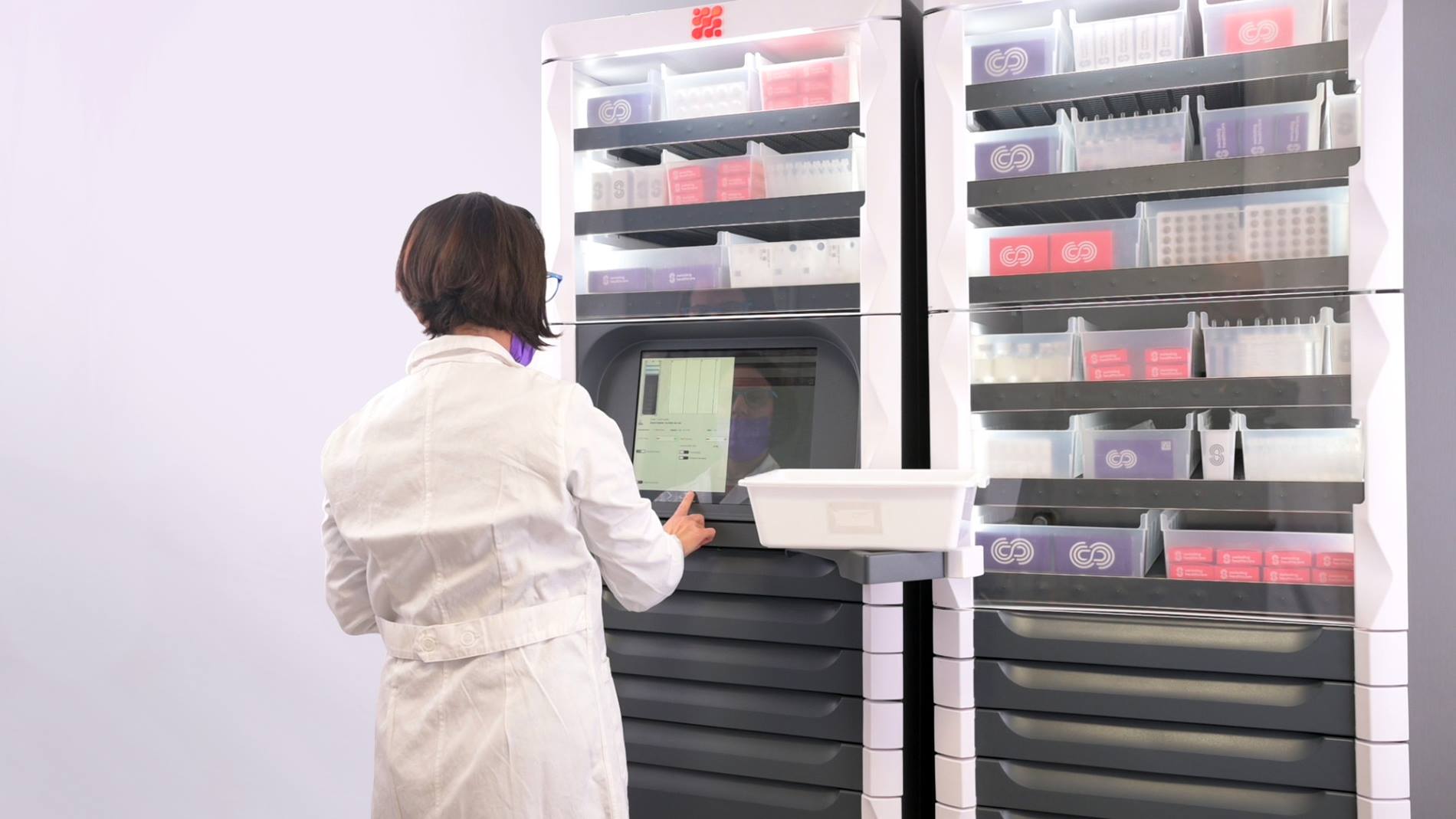
Other system benefits include touchless tech; the Pneumatic tube system lessens hand-to-hand contact and limits germ disbursement. Surfaces in hospitals can harbor up to 60 different types of bacteria. Pathogenic bacteria spread by human contact include Staphylococcus aureus, Escherichia coli, and Klebsiella aerogenes. 80% of illnesses can be transmitted through hand contact. Luckily, hospital pharmacies are fit to transfer 90% of their materials in a carrier, making delivery faster and safer. Getting hospitals equipped with exceptional technology is key to having them and the staff thrive.

Source: Swisslog